
Maintaining Cutting Boards: Care, Materials, and Best Practices
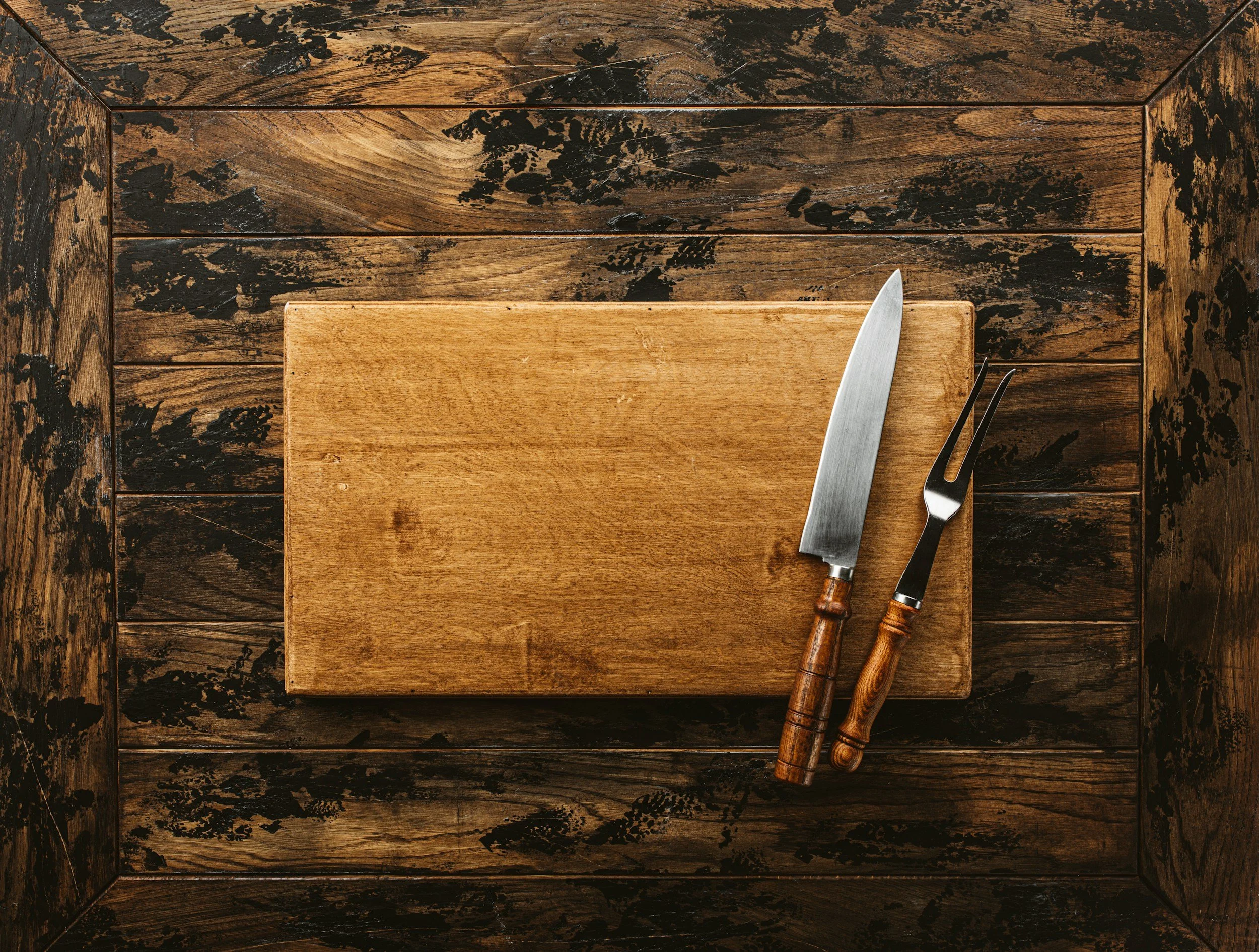
Cutting boards are one of the most frequently used tools in the kitchen, yet they often receive the least amount of care. Proper maintenance is not just about keeping a board looking good, but also about food safety, knife performance, and longevity. Understanding the different types of cutting boards and how to care for them will help you choose the right one and get the most out of it.
Understanding Cutting Board Materials
The material of a cutting board plays a major role in how it performs and how much maintenance it requires. Wooden cutting boards, particularly those made from hardwoods like maple, walnut, or beech, are prized for their durability and knife-friendly surface. When properly cared for, wood boards can last for many years and even develop a beautiful patina over time. However, wood is sensitive to moisture and temperature changes, meaning it can warp or crack if soaked or neglected.
Bamboo cutting boards are often marketed as an eco-friendly alternative. While bamboo is renewable and lightweight, bamboo boards tend to be harder than traditional hardwood boards. This hardness can dull knives more quickly, and the adhesives used to bind bamboo strips together can weaken with repeated exposure to water.
Plastic cutting boards are popular for their convenience and affordability. They are easy to clean and can often be placed in the dishwasher, making them a practical option for quick tasks or raw proteins. Over time, however, knife marks form deep grooves in the surface, which can trap bacteria and odors. Once this happens, plastic boards should be replaced rather than repaired.
Composite and rubber cutting boards are commonly used in professional kitchens due to their durability and hygienic properties. They are non-porous, resistant to moisture, and gentle on knives. The trade-off is cost and appearance, as they tend to look more industrial than traditional wooden boards.
Daily Care and Cleaning
Good maintenance begins with everyday habits. Cutting boards should be washed promptly after use with warm water and mild dish soap. They should never be left soaking in a sink or exposed to excessive water, particularly if they are made of wood. After washing, drying the board thoroughly and allowing it to air-dry upright helps prevent moisture from being trapped in the surface or edges.
Avoid placing wooden or bamboo cutting boards in the dishwasher. The combination of heat, moisture, and harsh detergents can cause cracking, warping, and long-term damage in a very short period of time.
Deep Cleaning and Odor Removal
Even with regular washing, cutting boards can develop odors or surface stains over time. Periodic deep cleaning helps keep them fresh and sanitary. Natural methods such as scrubbing the surface with coarse salt or baking soda and a halved lemon work well to lift odors without damaging the board. After rinsing lightly, the board should be dried completely before being stored or oiled.
This type of deep cleaning is especially beneficial for boards used frequently for garlic, onions, or raw proteins.
Oiling and Conditioning Wooden Boards
Oiling is essential for maintaining wooden cutting boards. Wood naturally absorbs moisture, and without proper conditioning it can dry out, split, or become rough to the touch. Using a food-safe mineral oil or board conditioner helps seal the surface and protects the board from excess moisture.
The oil should be applied generously to a clean, dry board and allowed to absorb for several hours or overnight. Any excess oil can be wiped away before the next use. Depending on frequency of use, wooden boards should typically be oiled every few weeks, or whenever the surface appears dry.
Cooking oils such as olive oil or vegetable oil should be avoided, as they can become rancid and leave lingering smells.
What We Recommend
We recommend investing in a quality hardwood cutting board for everyday use and treating it as a long-term kitchen tool. Using separate boards for raw meats and produce helps maintain food safety and reduces wear. Regular hand-washing, proper drying, and consistent oiling will significantly extend the life of a wooden board.
Plastic cutting boards should be replaced once deep grooves appear, and bamboo boards should be used with extra care to avoid prolonged moisture exposure. Storing cutting boards upright in a dry, well-ventilated area allows them to dry evenly and prevents warping.
With proper care, a cutting board becomes more than just a surface to cut on. It becomes a dependable part of your kitchen routine, supporting safer cooking, better knife performance, and more enjoyable food preparation.