
The Ultimate Guide to Caring for Cast Iron: Longevity, Performance, and Best Practices
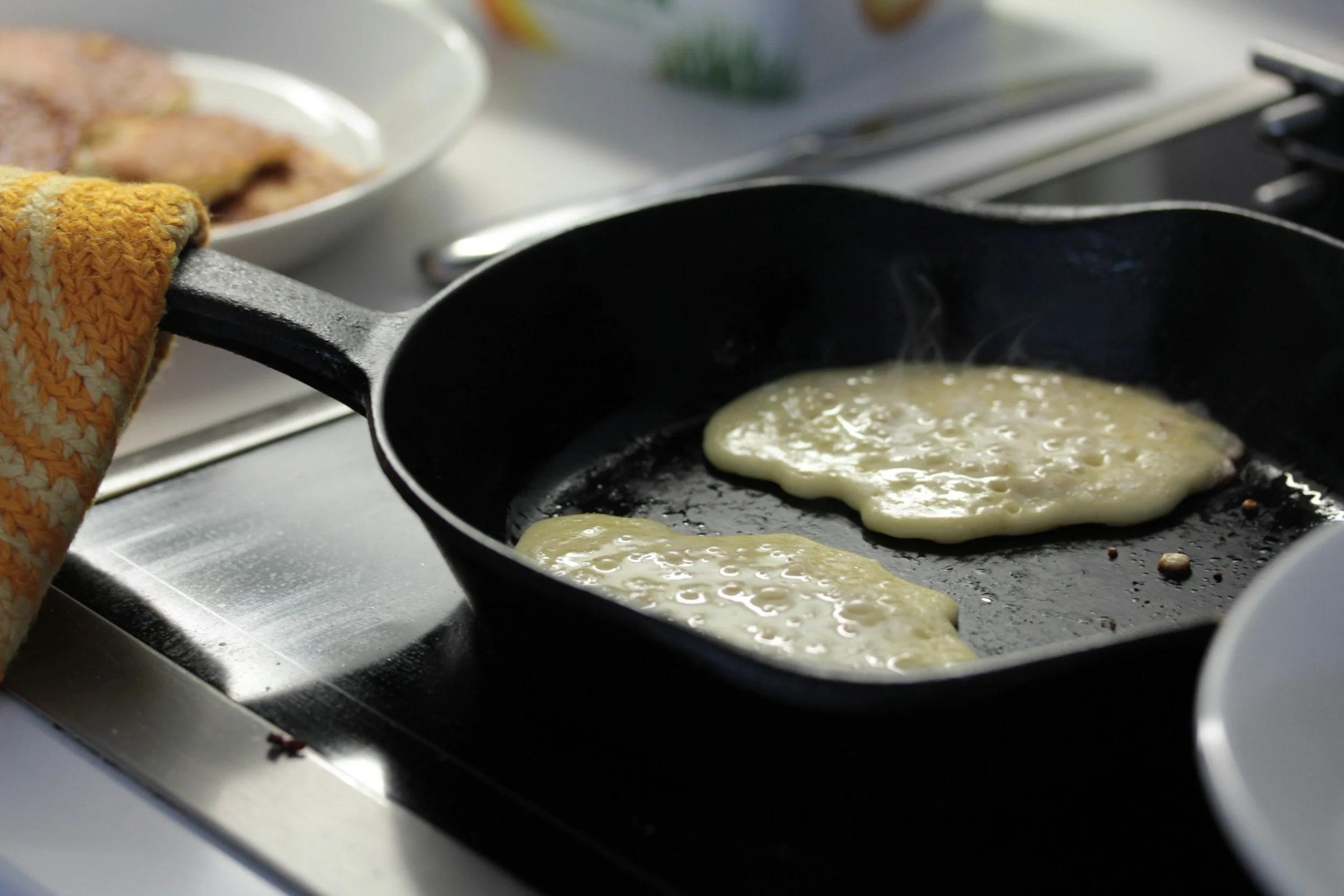
Cast iron is a kitchen classic. Known for its durability, heat retention, and versatility, a well-cared-for cast iron pan can last decades and often improves with age. From searing steaks to baking cornbread, cast iron performs beautifully—but only if it’s treated with the right care. Understanding how to clean, season, and maintain cast iron ensures your pan stays in top condition and continues to deliver excellent results.
Why Cast Iron Is Special
Cast iron’s popularity comes from its unique combination of heat retention and natural non-stick qualities when properly seasoned. Unlike stainless steel or non-stick pans, cast iron actually improves with use, developing layers of seasoning that make food release more easily over time. It can go from stovetop to oven, over an open flame, or even onto a grill, making it one of the most versatile tools in any kitchen.
Its rugged nature doesn’t mean it’s indestructible. Cast iron is sensitive to moisture and temperature extremes. Without proper care, it can rust or develop sticky residues. Learning the correct techniques for cleaning and seasoning ensures a long, productive life for your pan.
Cleaning Cast Iron
Cleaning cast iron is simple, but there are key rules. Immediately after use, rinse the pan with warm water. For stuck-on food, scrub gently using a soft brush, a sponge, or coarse salt as an abrasive. Soap is generally unnecessary, but a small amount of mild soap is acceptable if the pan is well-seasoned. The most important step is never to soak the pan, as prolonged exposure to water can cause rust.
After washing, the pan must be thoroughly dried. Leaving it wet or storing it in a damp environment is a common cause of rust. To ensure it is completely dry, place the pan on low heat for a few minutes or wipe it with a dry cloth.
Seasoning: Protecting and Enhancing Your Pan
Seasoning is the process of building a natural, non-stick coating by bonding oil to the surface through heat. Proper seasoning protects the pan from rust, improves its non-stick performance, and gives it the characteristic black patina that many cooks love.
To season a cast iron pan, apply a thin layer of high-smoke-point oil, such as vegetable oil, canola oil, flaxseed oil, or beef tallow, to the entire surface. Heat the pan in the oven or on the stovetop until the oil bonds to the metal. Over time, repeated cooking and seasoning build up layers that enhance both the durability and release of the pan.
If rust develops, don’t panic. Rust can usually be removed by scrubbing lightly with steel wool, rinsing, drying, and then re-seasoning the pan. Sticky patches or food starting to stick are also signs that the seasoning needs a refresh.
Cooking and Handling Tips
Cast iron heats evenly but retains heat longer than most other cookware, so preheating is essential to prevent food from sticking. Start cooking over medium heat, and use enough oil or fat for optimal results. Avoid sudden temperature changes, such as placing a cold pan on a hot burner or rinsing a hot pan with cold water, which can cause warping or cracking.
While metal utensils are safe on cast iron, wooden or silicone tools can be used to preserve the seasoning. Acidic foods like tomatoes or vinegar-based sauces can strip seasoning in a new pan, but as your pan develops layers over time, it becomes increasingly resistant.
Cast iron’s versatility is another advantage. It’s not just for frying or baking—it works beautifully for roasting vegetables, making bread, cooking desserts, and even serving food directly at the table, thanks to its heat retention.
Storage and Long-Term Care
Proper storage is key to preventing rust. Cast iron should be kept in a dry environment and lightly coated with oil to protect against moisture. Stacking pans is fine if a cloth or paper towel separates them, which preserves the seasoning. Some cooks even store a few grains of rice in the pan to absorb residual moisture, an extra precaution against rust.
Frequent use is actually part of cast iron care. The more you cook with it, the better seasoned it becomes. However, if you need to refresh a pan, a simple scrub, dry, and re-season cycle restores its non-stick surface.
What We Recommend
Investing in cast iron is investing in a lifelong kitchen companion. Treat it with respect: clean gently, dry thoroughly, season regularly, and cook intentionally. Use high-smoke-point oils for seasoning, avoid soaking, and never use the dishwasher. Pay attention to heat management, use proper utensils, and refresh the seasoning when needed.
With just a little attention, cast iron becomes virtually indestructible, providing exceptional performance for generations of cooking. From the first sizzle to years of well-seasoned perfection, a cared-for cast iron pan is more than cookware—it’s a trusted partner in every meal.