
Butter: Your Secret Ingredient for Next-Level Flavor
Butter is more than just a cooking fat. It can transform a meal, adding richness, aroma, and texture to everything from seared steaks to roasted vegetables. Understanding the different types of butter and how to use them opens up countless possibilities in the kitchen.
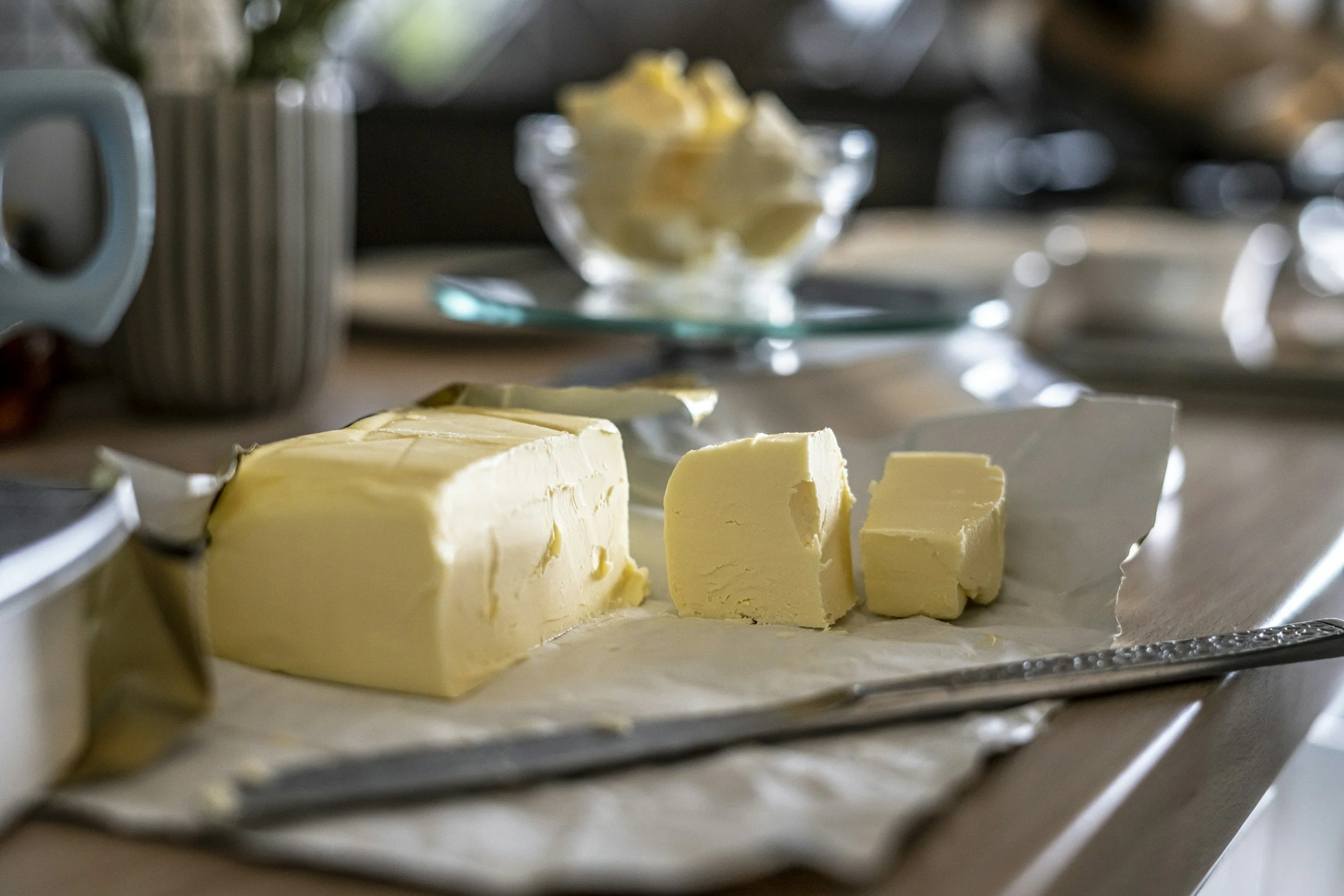
Butter is not all the same. Its flavour, texture, and behaviour under heat depend on production methods and ingredients. Learning the differences and experimenting with compound butters allows you to elevate meals with ease.
What Makes One Butter Different From Another?
Salted vs. Unsalted Butter
Salted butter has salt added after churning. The salt acts as a preservative and enhances flavour, making it ideal for spreading on bread, finishing vegetables, or quick cooking applications. Unsalted butter contains no added salt, giving full control over seasoning, which is essential for baking, delicate sauces, and compound butter recipes. The choice between salted and unsalted can also influence the way the butter browns and the overall flavour balance in a dish.
Grass-Fed Butter
Grass-fed butter comes from cows that eat a diet primarily of pasture grass. This diet changes the milk composition, resulting in butter that is naturally richer in vitamins like A, D, E, and K2, as well as omega-3 fatty acids. It often has a deeper yellow colour due to higher beta-carotene content and a more complex, nutty flavour. The texture tends to be creamier, and the taste can subtly reflect the terroir of the pasture where the cows grazed. Grass-fed butter is prized for finishing steaks, sautéing vegetables, and creating compound butters that highlight natural richness.
Organic Butter
Organic butter is made from milk produced by cows fed certified organic feed and raised without synthetic hormones or routine antibiotics. This ensures the butter is free from certain chemical residues and often considered healthier and cleaner in flavour. Organic butter can be salted or unsalted and is ideal for those seeking a pure, natural product to let the true flavours of a dish shine. Its mild taste works well in both sweet and savoury applications.
Cultured and European-Style Butter
Cultured butter is made by fermenting cream with lactic acid bacteria before churning, giving it a subtle tang and richer flavour profile. European-style butters, often cultured, have higher butterfat content (82–85% compared to standard 80%), making them creamier, more spreadable, and better at holding emulsions in sauces. The fermentation process adds complexity and depth, making these butters excellent for pastries, sauces, and any recipe where the butter flavour should be prominent.
Clarified Butter and Ghee
Clarified butter is made by gently melting butter and separating the milk solids and water, leaving pure butterfat. Ghee is similar but cooked slightly longer so that the milk solids caramelize, giving it a nutty aroma and flavour. Both have higher smoke points than regular butter, making them ideal for sautéing, frying, or searing at higher temperatures without burning. Ghee is also shelf-stable, adding convenience for long-term use.
Other Considerations
Fat Content: Higher-fat butters brown differently and create creamier textures in sauces and pastries.
Moisture Level: Water content affects how butter behaves in baking and sautéing. Higher moisture can cause more splatter when cooking.
Region and Terroir: The cows’ grazing environment can subtly influence flavour, making some artisanal butters unique in taste.
Additives: Some commercial butters may contain cultures, colouring, or preservatives, which can alter both taste and cooking properties.
Choosing the right butter involves considering flavour, texture, cooking method, and dietary preferences. Each type brings unique qualities that can enhance your culinary creations in specific ways.
Using Butter in the Kitchen
Butter adds more than flavour. It contributes texture, richness, and aroma. When sautéing or finishing dishes, it enhances taste in ways that oil cannot. Adding cold butter to a warm sauce, a technique called mounting, creates a glossy, silky finish. Butter also enriches vegetables and grains, giving even simple dishes a luxurious touch.
Making Compound Butter
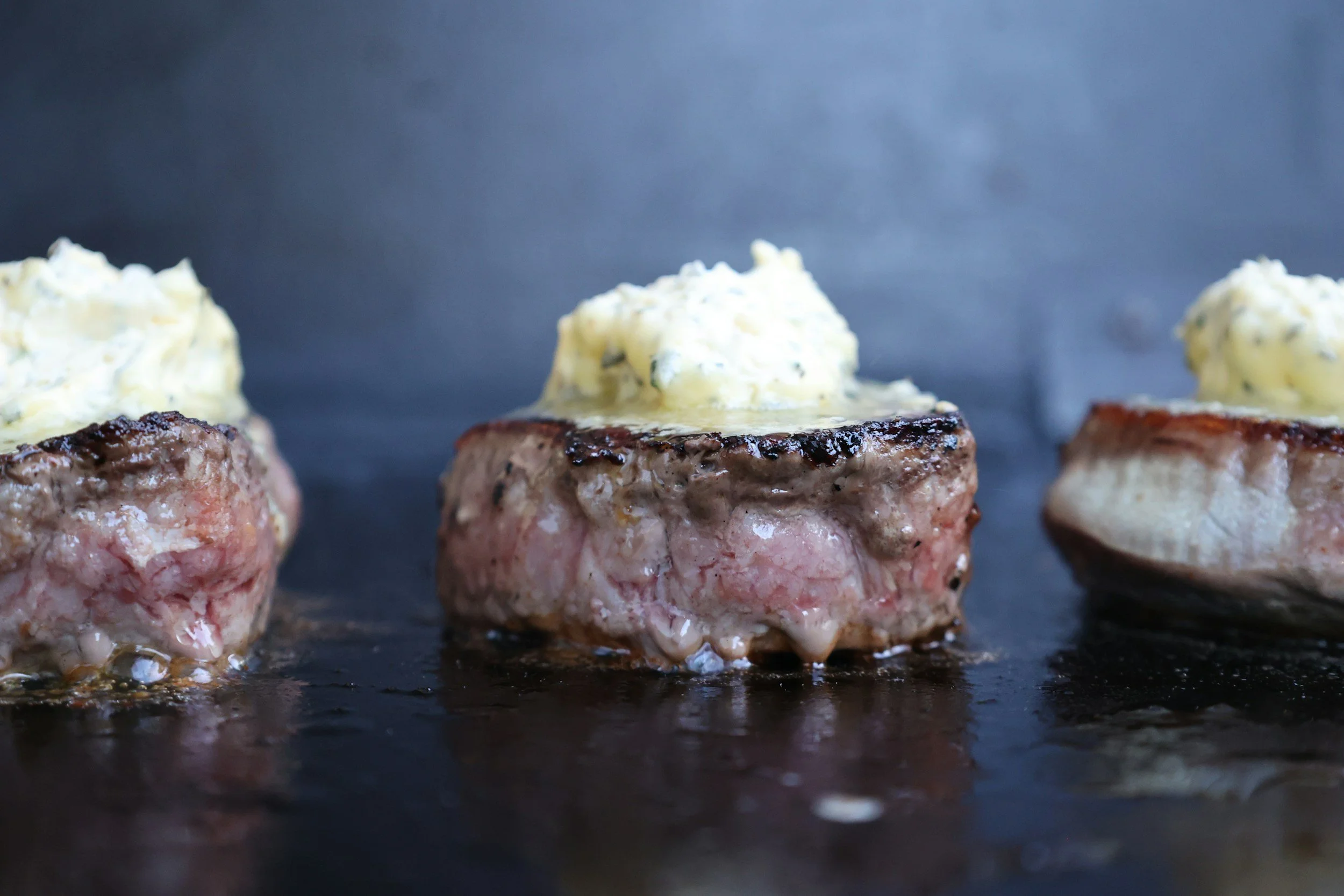
Compound butter is butter blended with herbs, spices, citrus, or aromatics. It is a simple way to create restaurant-quality flavour at home and works on steaks, seafood, vegetables, bread, pasta, and grains.
How to Make Compound Butter
Soften the butter until it is pliable.
Mix in flavour ingredients such as fresh herbs, minced garlic, citrus zest, spices, or cheese.
Shape into a log using parchment or plastic wrap and chill until firm.
Slice into rounds to melt over hot dishes or warm to use as a spread.
Flavour Ideas
Herb and Citrus: chives, parsley, lemon zest for fish.
Garlic and Rosemary: ideal for steak.
Honey and Thyme: perfect with roasted carrots or squash.
Smoky Chipotle and Lime: great on corn or grilled chicken.
Bringing Butter to Your Meals
Butter can transform dishes across cooking methods. Use it to sear meats, enrich sauces, coat vegetables, finish pasta, or enhance baked goods. Compound butters add a finishing touch that elevates everyday meals to special experiences.
Final Thoughts
Understanding the types of butter and how to use them allows for more creative and flavorful cooking. Grass-fed, organic, cultured, and standard butters each have unique qualities. Mastering compound butters lets you customize flavour profiles easily, making meals richer and more memorable.